

When Your Skin Needs to Relearn Comfort
For decades, topical corticosteroids have been the first-line approach for reactive, compromised skin. Prescribed for everything from persistent dryness to flare-prone sensitivity, these creams offer fast relief — but at a cost many don't discover until years later.
Then comes the withdrawal. The rebound. The realisation that your skin has forgotten how to function on its own.
WHAT ARE TOPICAL STEROIDS?
Topical corticosteroids (hydrocortisone, betamethasone, clobetasol) are synthetic hormones designed to suppress inflammation rapidly. Dermatologists prescribe them for eczema, dermatitis, psoriasis, and reactive skin conditions.
They work by:
- Suppressing immune response in the skin
- Reducing visible inflammation and discomfort quickly
- Constricting blood vessels to reduce redness
The problem: They don't support your skin's natural barrier function. They suppress symptoms without addressing what compromised skin actually needs: restoration, hydration, and structural support.
WHAT IS TOPICAL STEROID WITHDRAWAL (TSW)?
Also called Red Skin Syndrome or steroid dermatitis, TSW occurs when skin that's been managed with topical steroids for extended periods is suddenly withdrawn from them.
What happens during TSW:
- Intense rebound sensitivity and reactivity
- Burning, stinging sensations
- Skin barrier dysfunction
- Persistent discomfort that can last months to years
- Dependency cycle: each time steroids are stopped, symptoms return worse than before
The medical community is divided on TSW. Some dermatologists acknowledge it; others remain sceptical. But thousands of people living through it know the reality: their skin has become dependent on suppression rather than learning sustainable comfort.
Research acknowledges TSW exists: Hajar et al. (2015) documented topical corticosteroid withdrawal syndrome in systematic review, noting "rebound phenomenon characterised by intense burning, erythema, and skin sensitivity following discontinuation of topical corticosteroids."¹
THE WILDCRAFTED ALTERNATIVE: 1200+ MGO MANUKA + ROYAL JELLY
When your skin is relearning how to be comfortable without pharmaceutical intervention, it needs more than moisture. It needs bioactive support that works with skin's natural barrier function — not against it.
1200+ MGO Manuka Honey: Naturally Active, Measurably Potent
Not all honey is created equal. MGO (methylglyoxal) is the naturally occurring compound that gives Australian Manuka its bioactive potency. The number matters: 1200+ MGO means pharmaceutical-grade concentration, independently verified in every batch.
What makes it different:
- Barrier-supportive compounds: Naturally occurring enzymes and amino acids that support skin's protective function²
- Osmotic hydration: Draws moisture into compromised barrier without occlusion
- Bioactive without suppression: Works with skin's natural processes, not against them
- No thinning, no dependency: Safe for daily use, indefinitely
Wildcrafted from Australian beehives in remote Northern Rivers regions. Small-batch harvested. MGO-certified before formulation.
Royal Jelly: What Sustains Queens for Years
The concentrated nutrition that keeps queen bees thriving for years — now formulated for skin barrier support.
Bioactive profile:
- 10-HDA (10-hydroxy-2-decenoic acid): unique fatty acid found only in royal jelly³
- Essential amino acids that support skin structure
- Proteins and peptides for barrier integrity
- Pantothenic acid (vitamin B5) for hydration retention
Why it works for compromised skin: Royal jelly's amino acid profile mirrors what skin needs during barrier repair. Not a quick fix — a structural rebuilding process that takes consistency and time.
Ramadan & Al-Ghamdi (2012) documented royal jelly's skin-supportive bioactive compounds, noting its "amino acid and protein content suitable for topical barrier support applications."⁴
HOW BEE BIOACTIVES SUPPORT SKIN DURING TSW
Not a replacement for medical advice. If you're withdrawing from topical steroids, work with a healthcare practitioner who understands TSW.
But here's what concentrated bee bioactives offer during that process:
Immediate Comfort Without Suppression
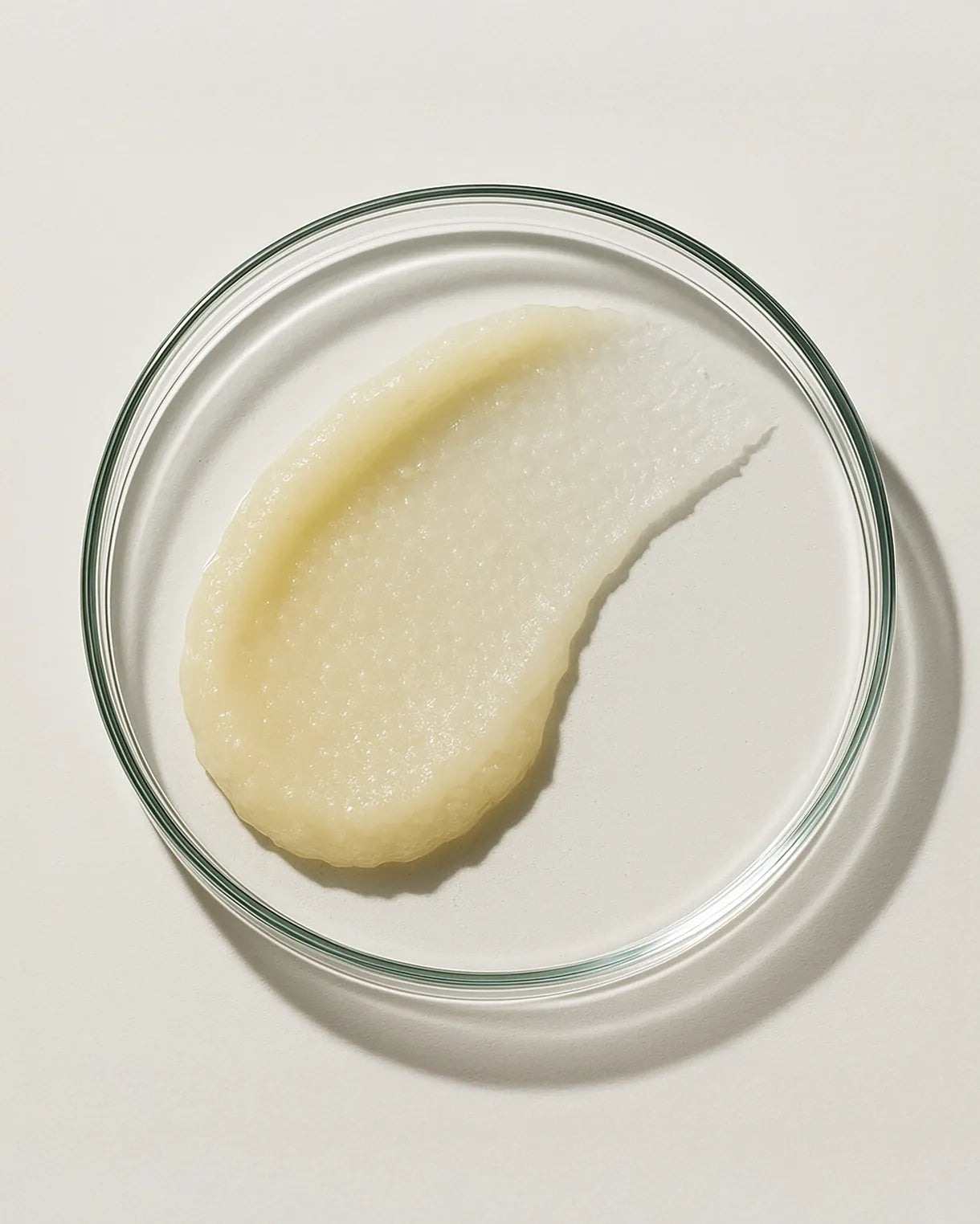
Rich, golden balm that warms between fingertips. Sinks slowly. Stays working. One fingertip twice daily — enough to support without smothering.
Barrier Function Support
TSW compromises skin's protective barrier. Manuka's osmotic properties support hydration retention while royal jelly's amino acids provide structural building blocks for barrier repair.⁵
Long-Term Ritual That Lasts
Three months per 50g tin with twice-daily application. The concentration means you use less — but feel more. No cycling. No breaks. Just consistent support while your skin relearns comfort.
No Rebound, No Dependency
Unlike topical steroids, bee bioactives don't suppress your skin's natural function. They support it. Stop using them? Your skin doesn't revolt. It's simply learned to be comfortable again.
REFERENCES
-
Hajar, T., et al. (2015). "A systematic review of topical corticosteroid withdrawal ('steroid addiction') in patients with atopic dermatitis and related dermatoses." Journal of the American Academy of Dermatology, 72(3), 541-549.
-
Burlando, B. & Cornara, L. (2013). "Honey in dermatology and skin care: a review." Journal of Cosmetic Dermatology, 12(4), 306-313.
-
Ramadan, M.F. & Al-Ghamdi, A. (2012). "Bioactive compounds and health-promoting functions of royal jelly: A review." Journal of Functional Foods, 4(1), 39-52.
-
Viuda-Martos, M., et al. (2008). "Functional properties of honey, propolis, and royal jelly." Journal of Food Science, 73(9), R117-R124.
-
Ediriweera, E.R.H.S.S. & Premarathna, N.Y.S. (2012). "Medicinal and cosmetic uses of Bee's Honey – A review." Ayu, 33(2), 178-182.
-
Mavric, E., et al. (2008). "Identification and quantification of methylglyoxal as the dominant antibacterial constituent of Manuka honey." Molecular Nutrition & Food Research, 52(4), 483-489.